Three weapons. Real physics. Your puzzle.
Figure out ballistic paths, learn how materials behave, solve medieval sieges by thinking mechanically.
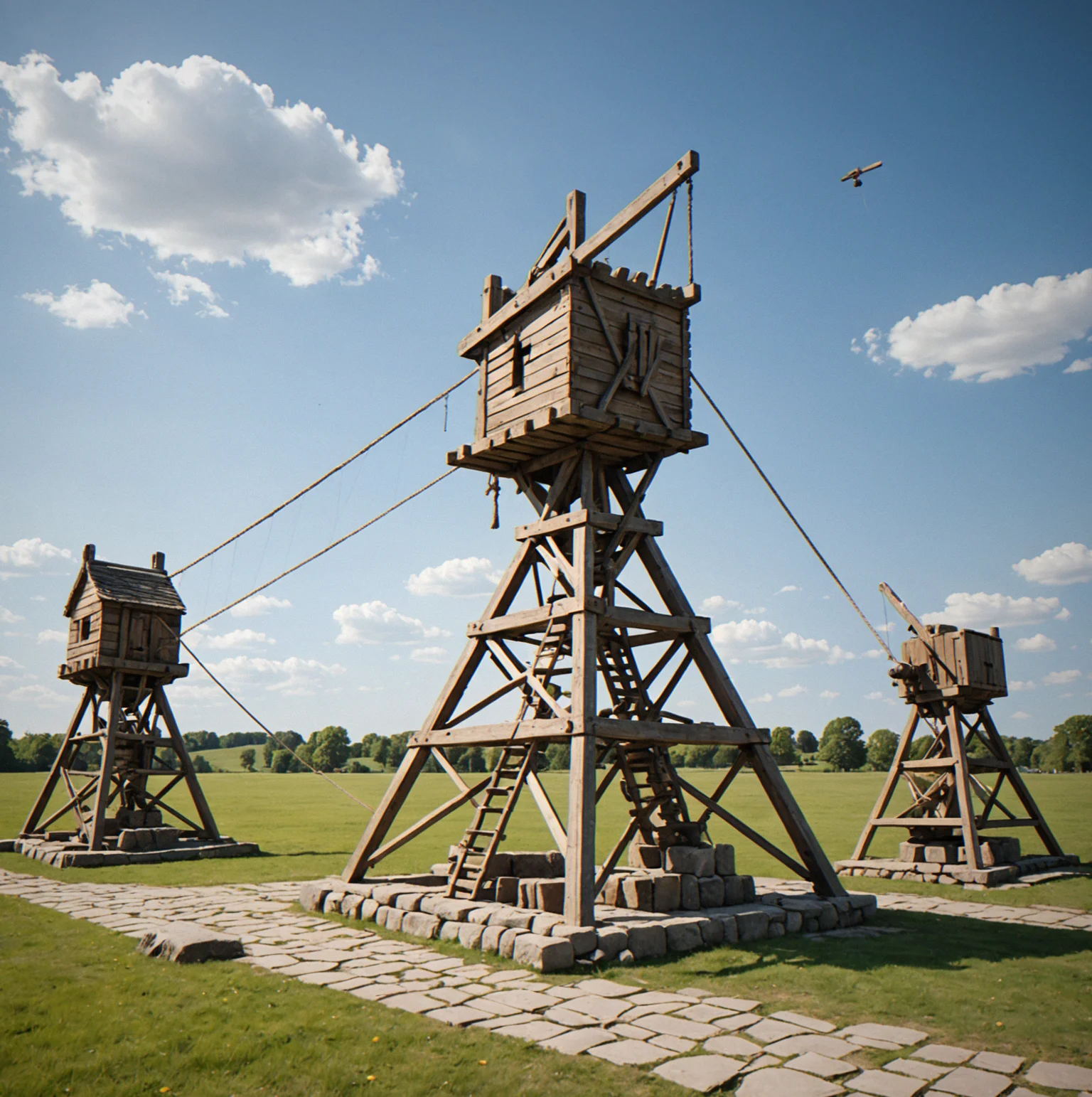
A trebuchet and a ballista don't just look different—they work completely differently. The trebuchet's counterweight gives you a mechanical advantage. The ballista shoots flat and drops less. The catapult lands somewhere in between, letting you adjust the arc. Each weapon tackles different problems in space. Each one teaches you something about how physics shapes what you can build.
Five siege weapon types, carefully designed levels, and enough mechanical depth to reward trying things out. You're not testing your reflexes. You're learning how systems work. Playing around with ideas. Finding that there's usually more than one way to solve something when the physics is doing the work.
Physics you can trust
The trebuchet gives you a 3.2:1 leverage ratio. Ballista trajectories stay flat. Catapults let you dial in angles anywhere from 15 up to 60 degrees. These aren't rough estimates either—they're the actual numbers the game uses under the hood. Learn them and you can predict what happens next. That's what makes it work.
Over 40 hand-crafted levels
Every single one teaches you something about how space works or how projectiles move. No randomly generated nonsense. No filler levels that exist just to stretch out the playtime (we've all seen that, and it's mind-numbing). Each puzzle is there because it needs to be.
More than one way to solve it
You could clear a level with a trebuchet at 28 degrees or swap to a ballista at 45, or mess with a catapult's arc instead. All of those work. All of them feel right once you understand what the mechanics are doing underneath. You're not chasing some hidden 'correct' solution—you're finding out what the system actually lets you do.
No timers, no split-second reflexes needed
Go as slow as you want. Tweak your aim one dergee at a time. Think about wind, think about material weight. It's about working through the problem at your own pace, not seeing how fast your fingers can move.
How each weapon actually works
The trebuchet runs on a counterweight system that gives you about a 3:1 leverage advantage. Load your stone, crank the arm up, let it go—the weight handles the rest. You get bigger payloads but it's slow to reload and the arc is locked in place. The ballista works like a giant crossbow. It launches flat and doesn't drop much over distance. Quick, accurate but you're stuck shooting straight ahead. The catapult is the middle ground. Spring-loaded, adjustable from 15 degrees up to 60, and honestly it's the one that teaches you the most because you can actually change the angle to match whatever space you're trying to hit.
Every Stonepilot level is built around these weapon differences. You won't get far trying to use the same one for everything. A target way out there probably needs the ballista's flat shot. High walls want the trebuchet's arc. Tight spaces between buildings? That's catapult work. The real problem isn't just landing the hit. It's knowing which weapon's physics fits the geometry you're looking at, then actually pulling off the aim and doing the math on the stone weight.
Leverage and payload
Trebuchets handle heavier stonew but they're slow to load. You trade speed for distance and impact.
Flat vs. arced trajectories
Ballista shoots shallow. Catapult goes from 15 to 60 degrees. Different target shapes need different approaches.
Wind, weight and angle calculations
Stone density, launch angle, wind resistance and distance all matter. Shift your aim by 2 degrees and you miss. The physics doesn't forgive sloppiness.
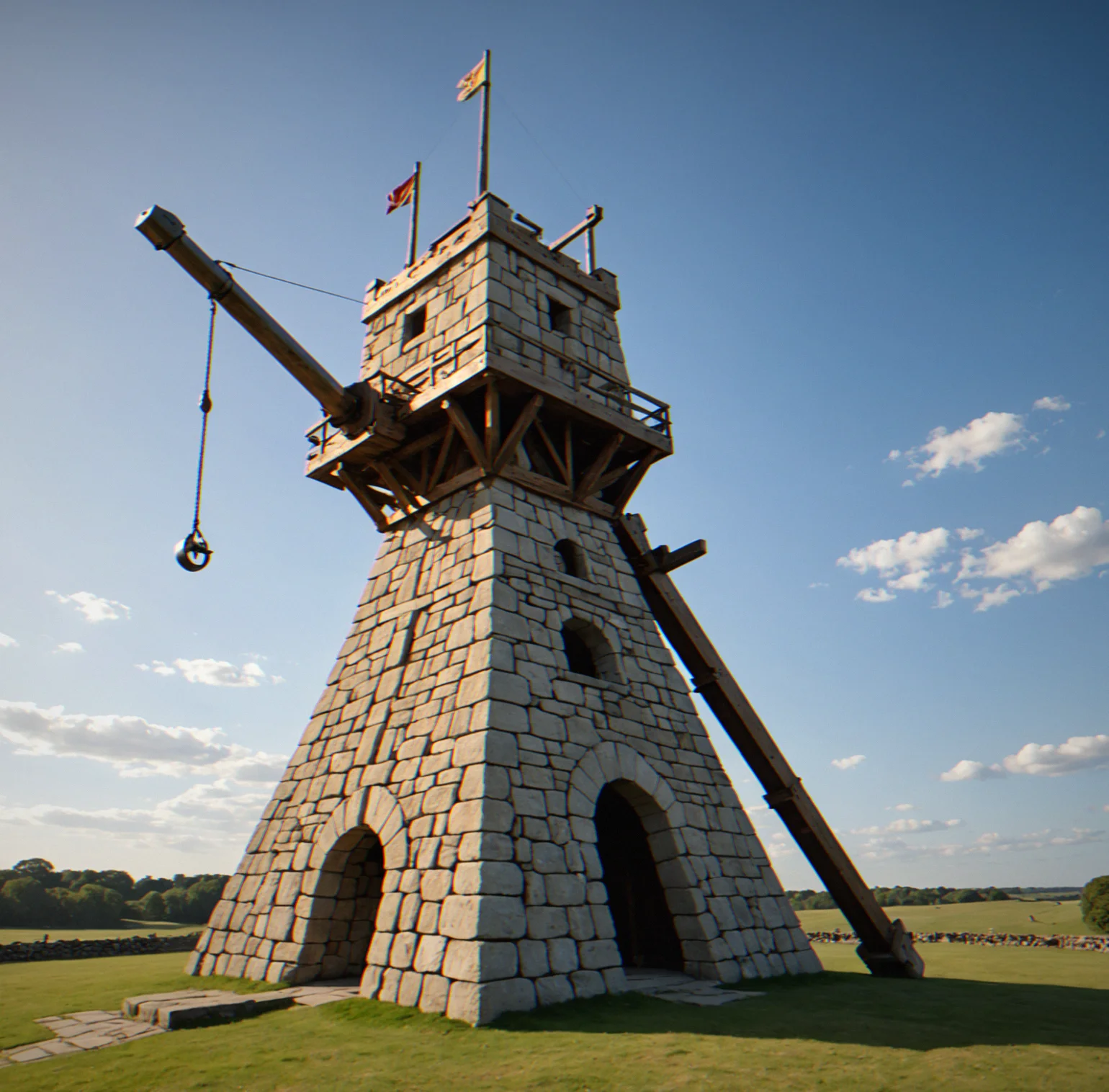
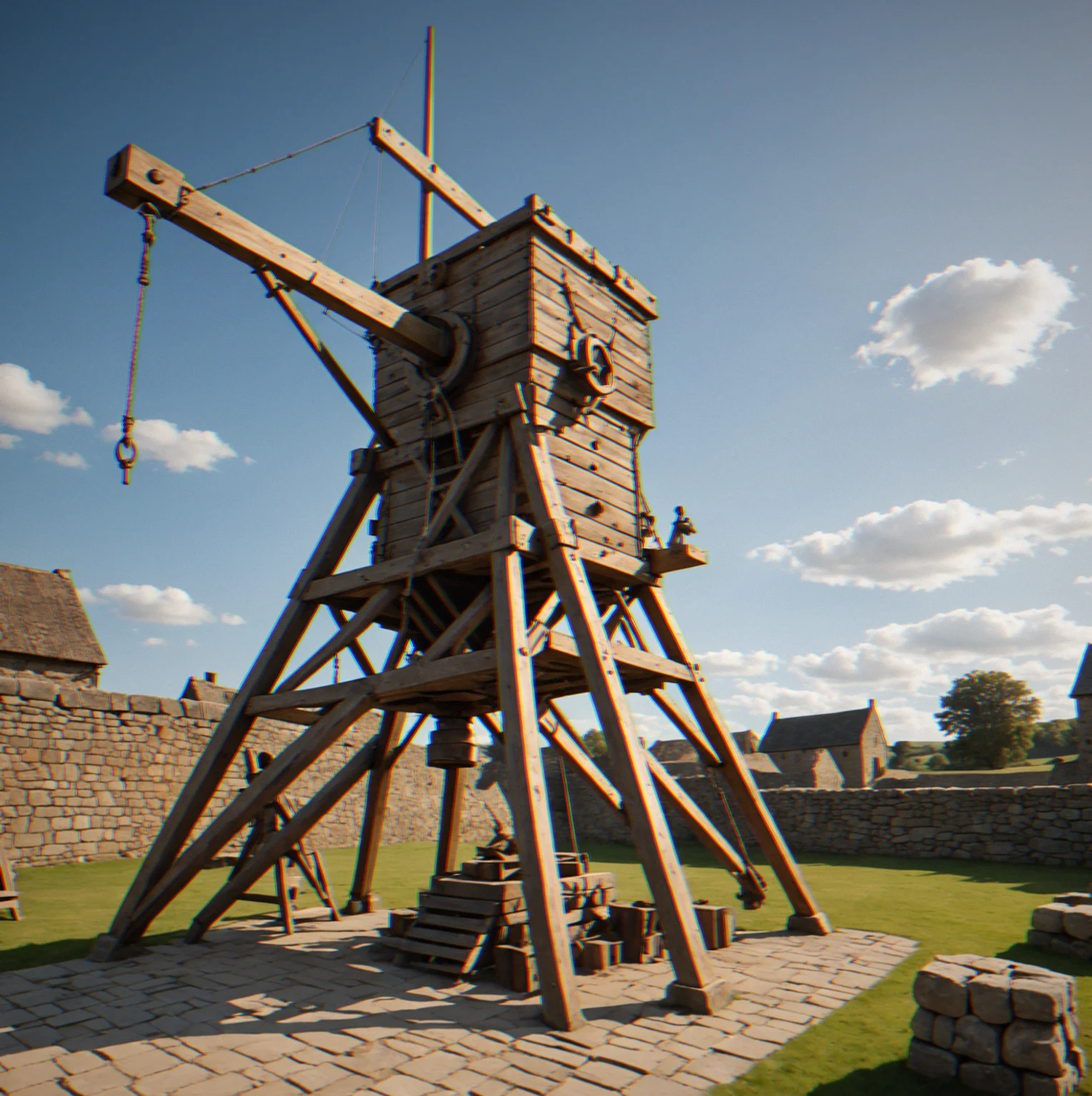
Trebuchet sitting on a stone platform with the counterweight pulled back. The operator is adjusting the aim while dark clouds roll overhead.
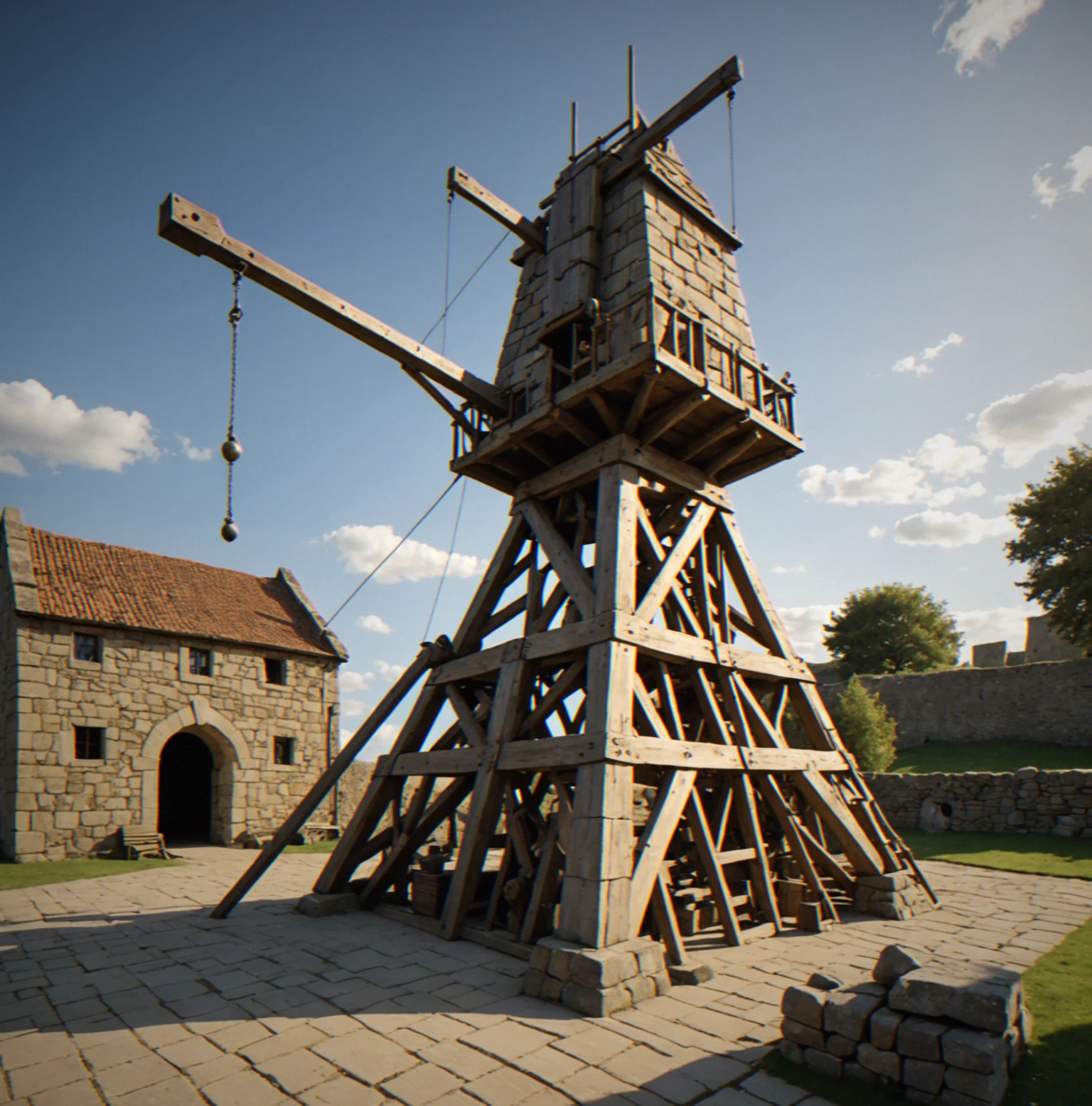
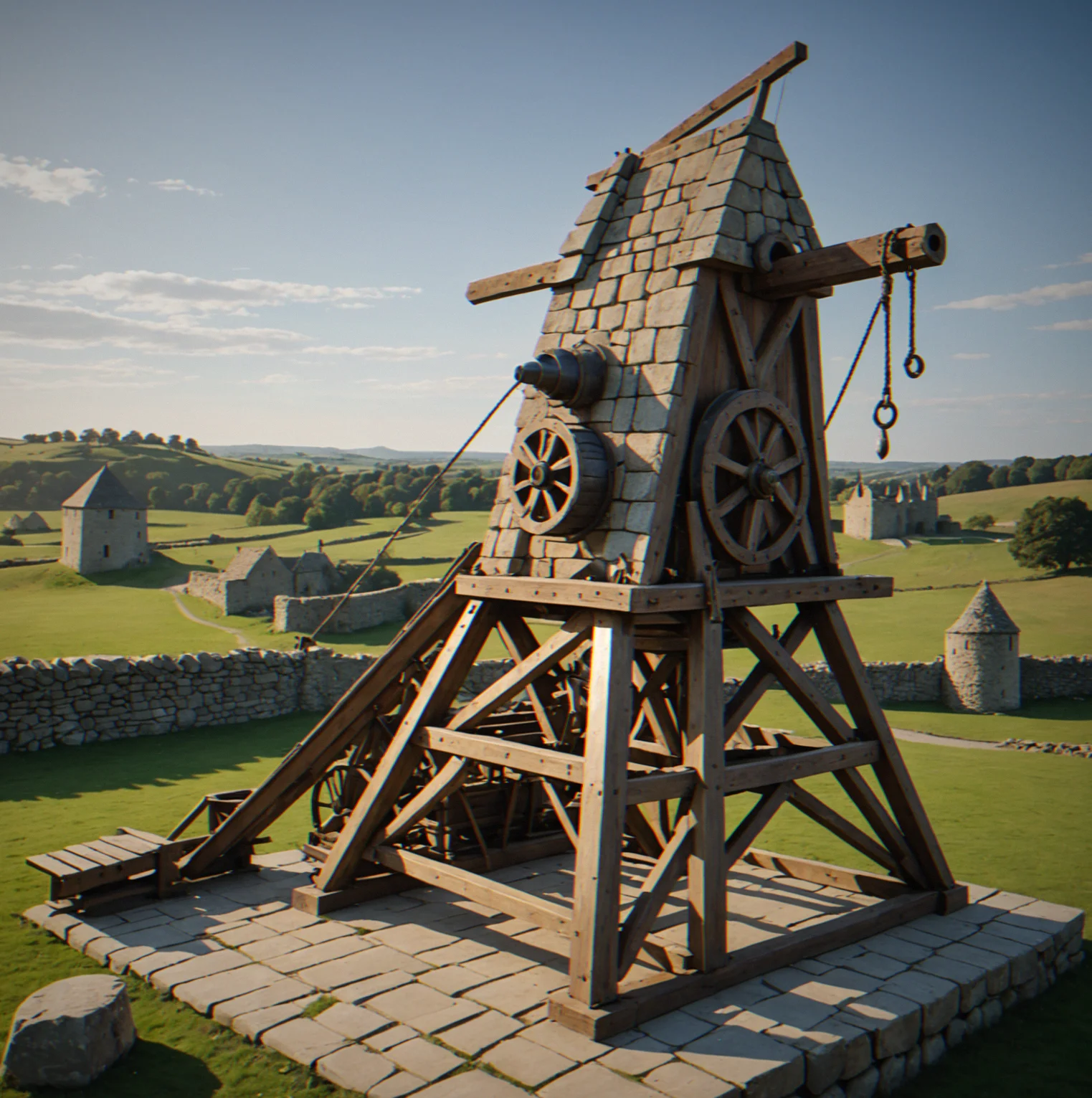
Ballista mounted on wood with the rope mechanism fully drawn and ready. The sights are lined up at several target structures spread across the valley.
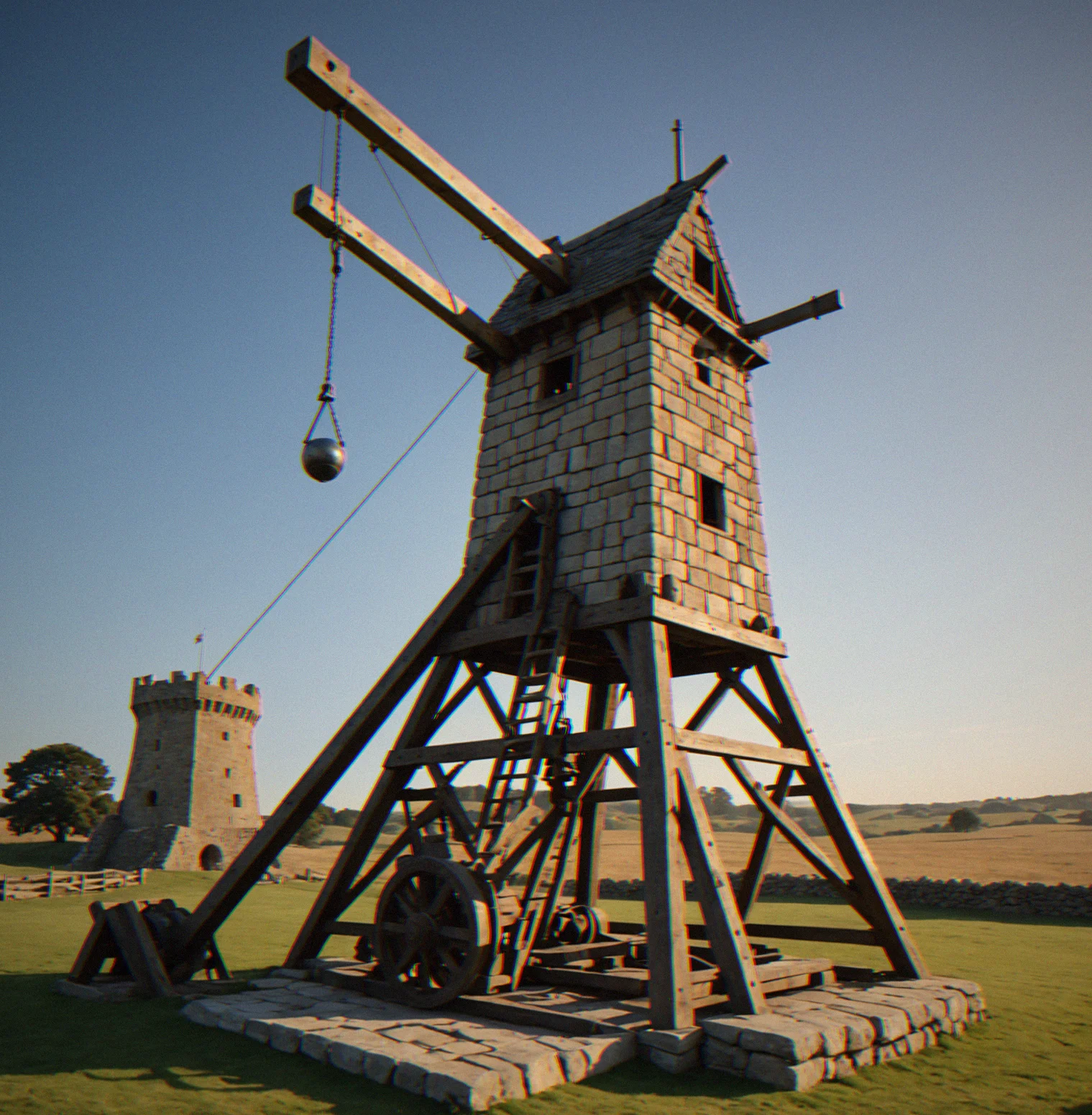
Stone projectile arcing through the air. You can see the wind pushing it slightly off course as it heads toward the fortress tower and palisades below.
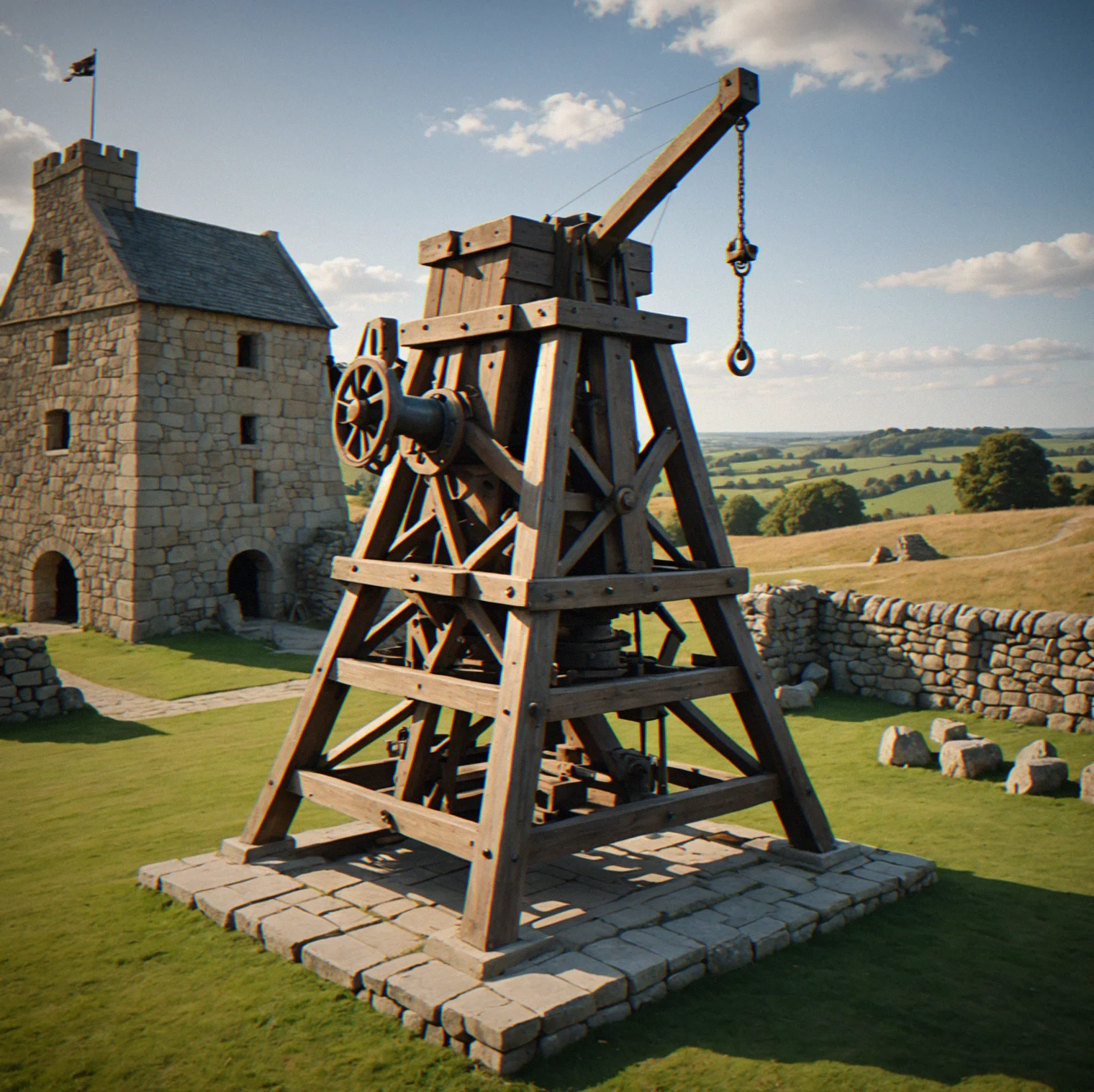
Catapult with the spring set to a steep angle. The operator is making small adjustments to the targeting controls on the interface.
Level layout with three weapon stations at different heights around the targets. The spacing forces you to think about which weapon works best Where.
The aim interface showing launch angle, projectile weight, wind resistance, and a prediction line for where the shot will land.
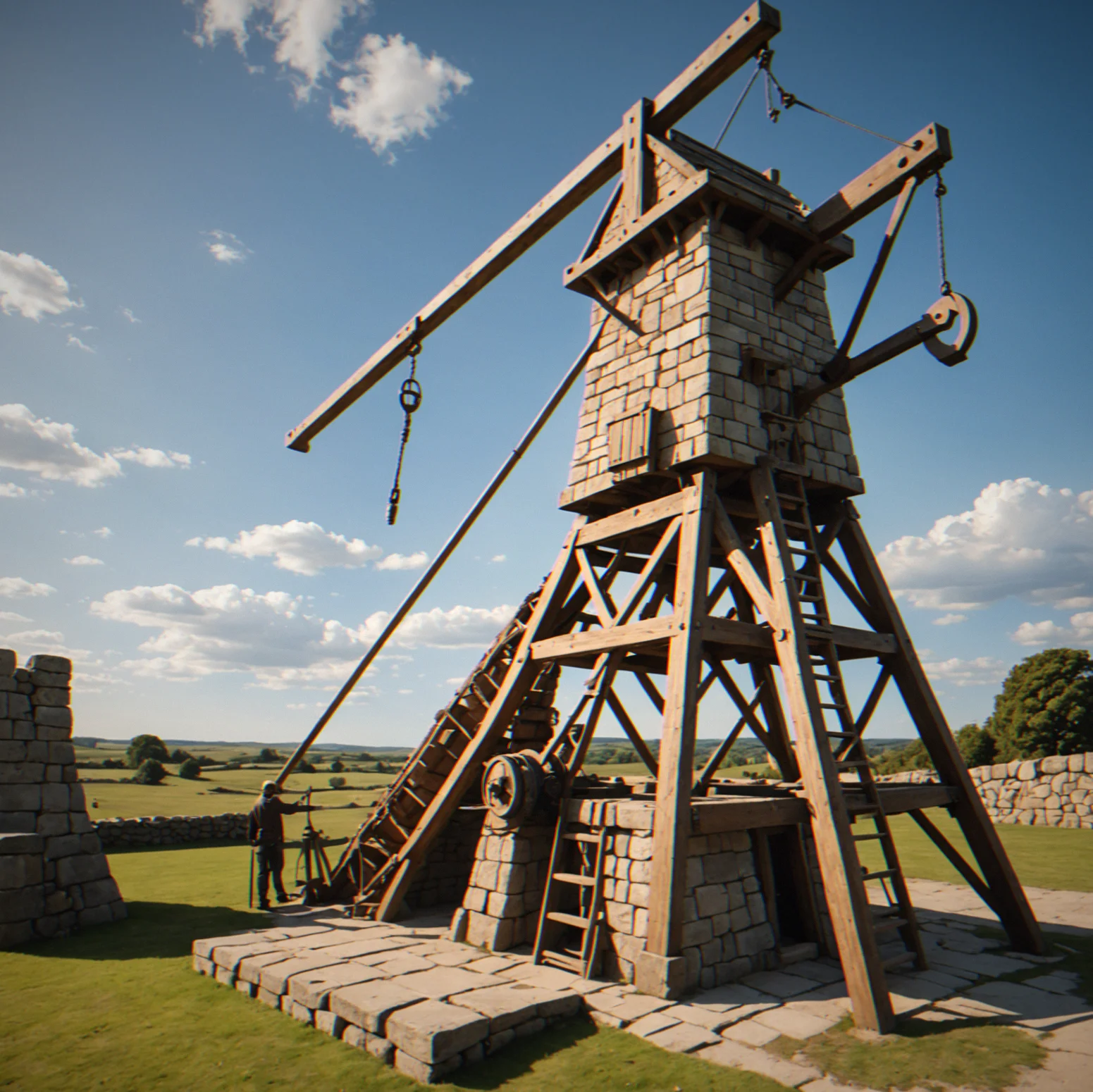
Same level cleared three different ways. Trebuchet smashes through, ballista picks off targets with precision, catapult lobs a solution over the walls.
Slide 1 of 7
Design approach
Hand-crafted puzzles that actually respect your intelligence
40
hand-authored levels in the core game
3
siege weapons, each with completely different physics
Every level in Stonepilot was built by someone who really gets siege physics. You won't find procedural generation or throwaway content here. The early stuff teaches you the weapons from the ground up—like how the trebuchet's counterweight system gives you a 3.2:1 leverage advantage, the way a ballista shoots in flat arcs, what the catapult's adjustable angle does when you're trying to hit something at a weird geometry. Then the middle game throws spatial complexity at you. Multiple targets to juggle, elevation shifts, wind that actually changes your shot. By the end, you're expected to know what you're doing. You pick the right weapon for the moment, you understand which physics property unlocks which puzzle, and you start realizing most challenges have a few different solutions if you think about them right.
3.2:1 leverage on trebuchets
The counterweight system isn't just there to look good—it actually drives how the weapon works. You get heavier payloads and longer arcs, but you're waiting longer between shots. There's no way around it; this is built into the physics.
Ballista flat-arc precision
These things fire almost straight, barely dropping at all. That changes the kind of problems you're solving compared to weapons that arc up and down. Some targets basically only work if you've got that flat trajectory.
Catapult angle flexibility (15–60 degrees)
You can dial in your launfh angle anywhere across that range, which means you can work around tight spaces and weird geometry. It's probably the most adaptable weapon of the bunch, so spending time with it teaches you the most about what physics actually constrains.
40+ hand-built levels, zero procedural filler
Someone actually designed each puzzle to teach you something about how ballistics or spatial reasoning works. You won't find busywork here. The early stuff shows you the basics, and by the end you're expected to actually understand what you're doing.
Multiple solutions per puzzle
A lot of levels can be cleared with trebuchet, ballista, or catapult—sometimes all three work fine. You're not trying to guess which one the designer wanted; you're finding out what the physics will let you do.