Three weapons. Hand-crafted levels. No reflexes required.
Solve siege puzzles through ballistic calculation, spatial reasoning, and multiple valid approaches.
Stonepilot strips away the twitch. You get a trebuchet, ballista, or catapult—each behaves differently, with its own leverage ratios and arc patterns. The levels are made by hand, not spat out by some algorithm. Your job is to understand stone weight, launch angles, wind resistance, and the geometry of what you're aiming at. Then solve it. The solution that works might surprise you, and that's kind of the whole thing. This is strategy for people who actually care about mechanical depth and want to earn mastery through trial and error. You'll be calculating trajectories in 15-degree increments, nudging your aim by a couple pixels, watching how a tiny 2-degree shift cascades into something completely different. No countdown. No reaction time check. Just you, the physics, and whatever problem's sitting in front of you.
Core gameplay
Three weapons. Three entirely different physics problems.
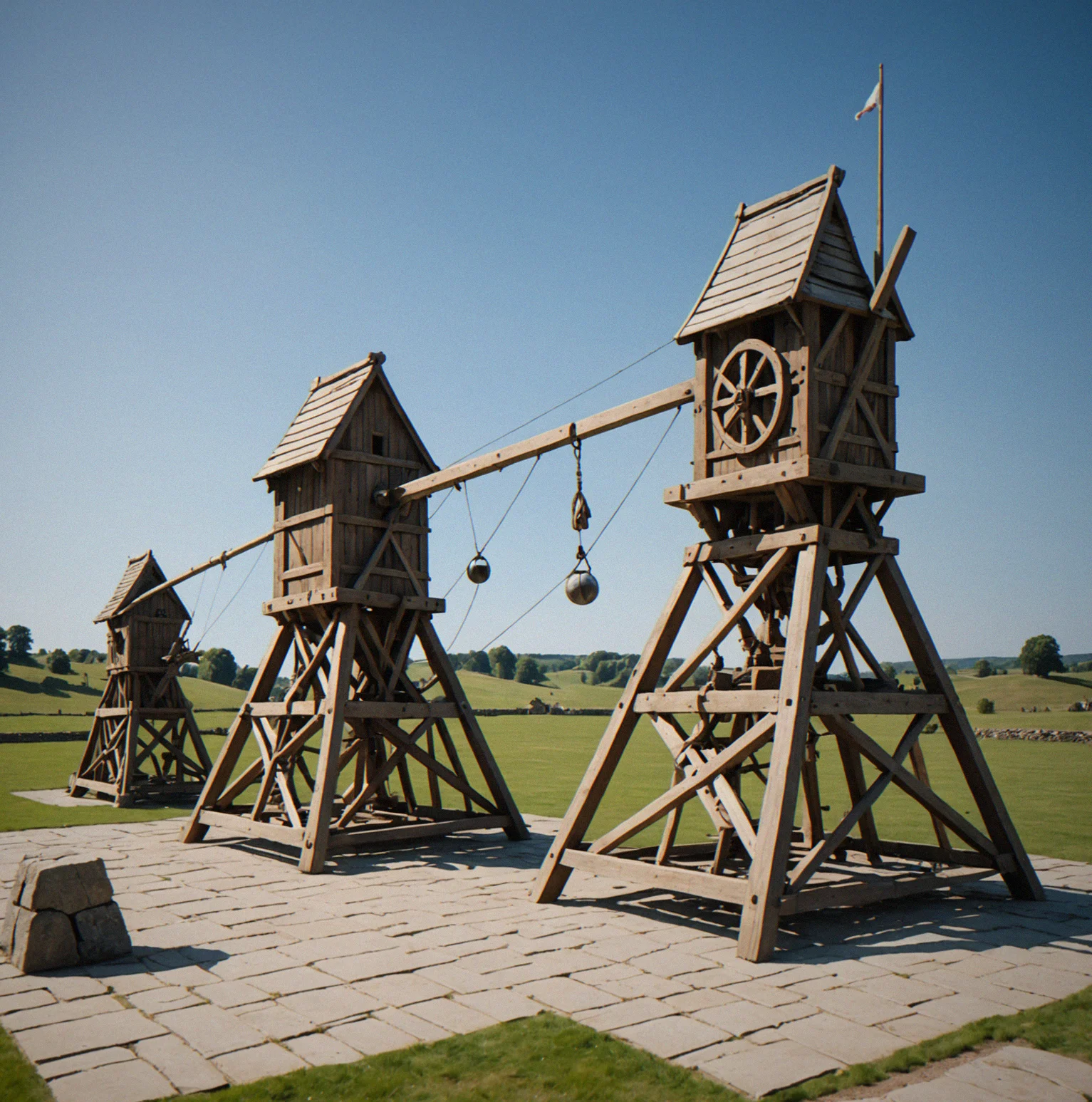
Each weapon behaves completely differently, so your choice actually matters. A trebuchet works on counterweight—you're trading angle for distance through leverage. The ballista launches from tension and fires flatter with less drop, which means you need to be precise within a tight range. Then there's the catapult, which sits in the middle with spring tension and an adjustable arc. Pick wrong and you're not just struggling. You're trying to solve a puzzle with the wrong tool entirely.
The physics is real. Stoen weight changes how things behave. Fire a 50-pound stone from a trebuchet and the trajectory looks nothing like a 30-pounder from the same machine. Wind pushes your shots. Launch angle matters in single-degree increments—a 2-degree shift can turn a miss into a hit. You're not watching an animation. You're calculating ballistics, seeing the arc render live, and figuring out whether your approach actually works.
What makes a solution elegant versus sloppy? Efficiency. Most levels have multiple paths. You could brute-force it with the ballista, dial in precision with the trebuchet, or mix approaches using the catapult's arc control. The real payoff isn't just clearing it. It's finding the one solution that feels obvious afterward—where every angle choice, every stone weight, every placement decision snaps into place because the physics made it inevitable.
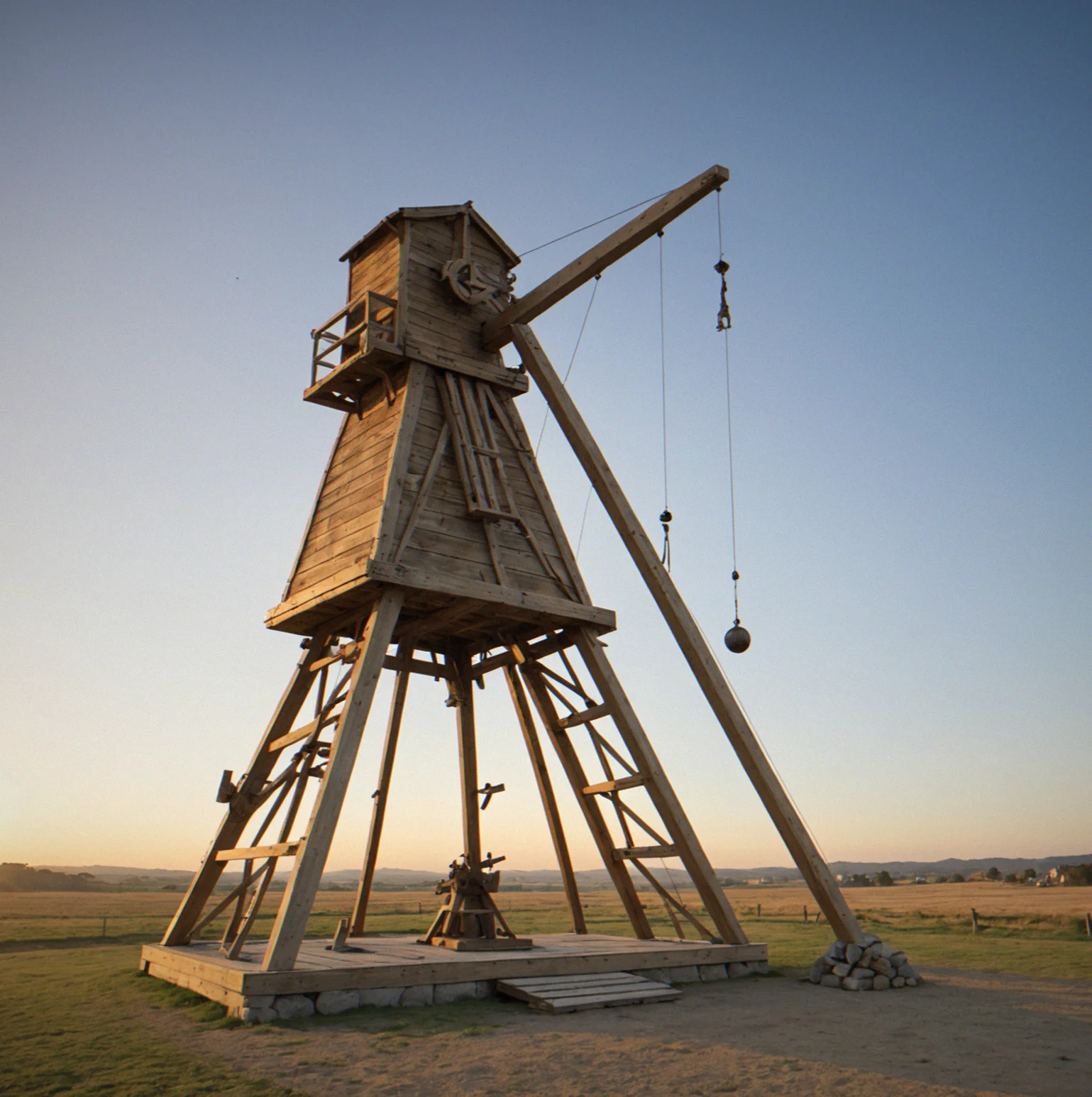
Trebuchet: Leverage-based distance
Trade angle for distance using the counterweight. Longer arms give you bigger arcs and heavier payloads, but the reload takes longer. Good for sweeping wide targets.
Ballista: Flat arcs and precision
Fires fast and stays flat across distance, which means less drop to account for. Struggles with obstacles in the way and getting the angle right takes practice.
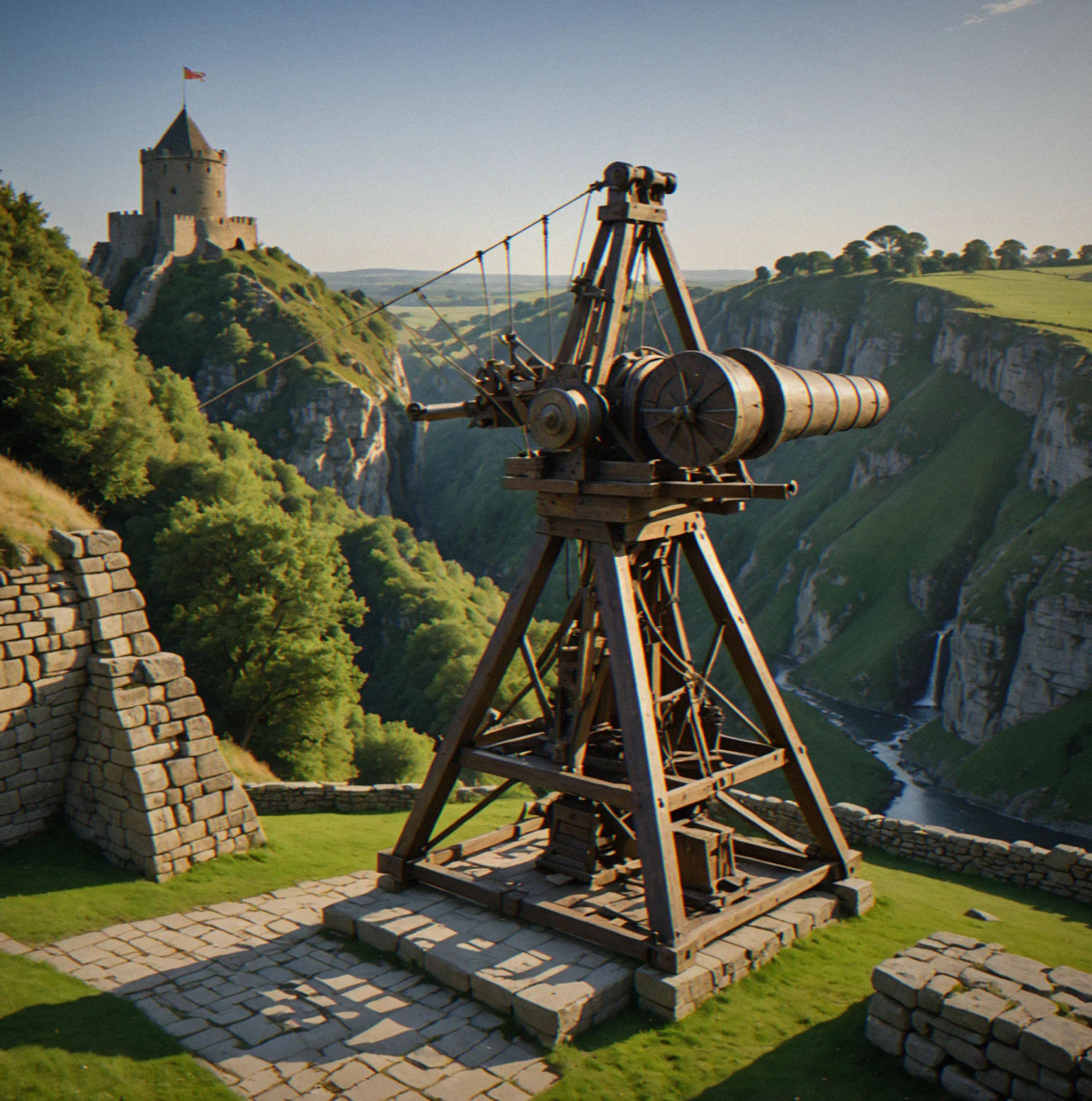
Catapult: Hybrid spring tension
Adjustable cup angle lets you shape the arc however you need. Mid-range, mid-payload and flexible enough to handle problems the other two can't solve alone.
Hand-authored levels, not randomized
Each level is designed specifically for the weapons available and how they actually behave. No procedural generation. No sudden spikes in difficulty. Just intentional design.
Hand-crafted puzzles built on constraint, not chance.
Every level in Stonepilot is designed by hand. No procedural generation, no random placement algorithms, no 'it'll be interesting enough' shortcuts. Each puzzle starts with a specific question: what happens if you only have a trebuchet and three shots? What if the target is hidden behind an obstacle? What if the ballista's flat arc is your only advantage? The level exists to force you into a decision space where the physics becomes the puzzle itself. (This is why puzzle design takes months instead of hours—there's no shortcut through brute-force variation.)
The result is levels that feel inevitable in hindsight. You solve them and think: that's the only way this could've worked. Not because the designers locked you into one approach, but because they understood the ballistic properties so well that they built a space where multiple valid solutions emerge naturally from the physics. You might clear a level with a 20-degree trebuchet arc. Your friend clears it with a 35-degree ballista angle. Both solutions are elegant. Both feel right.
Sieges in motion
Physics that actually works. You solve it yourself. No fancy animations covering up what's really happening.
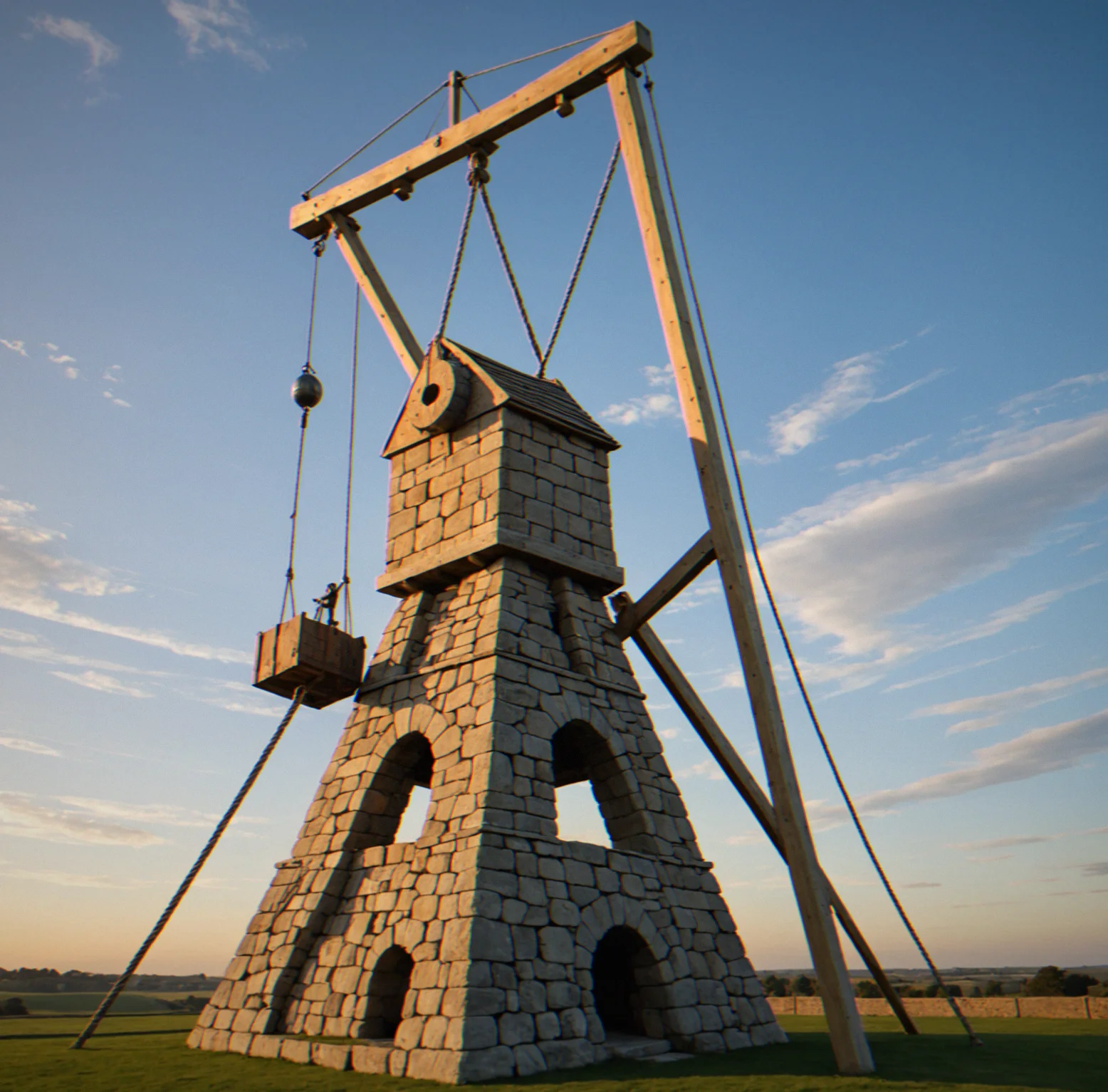
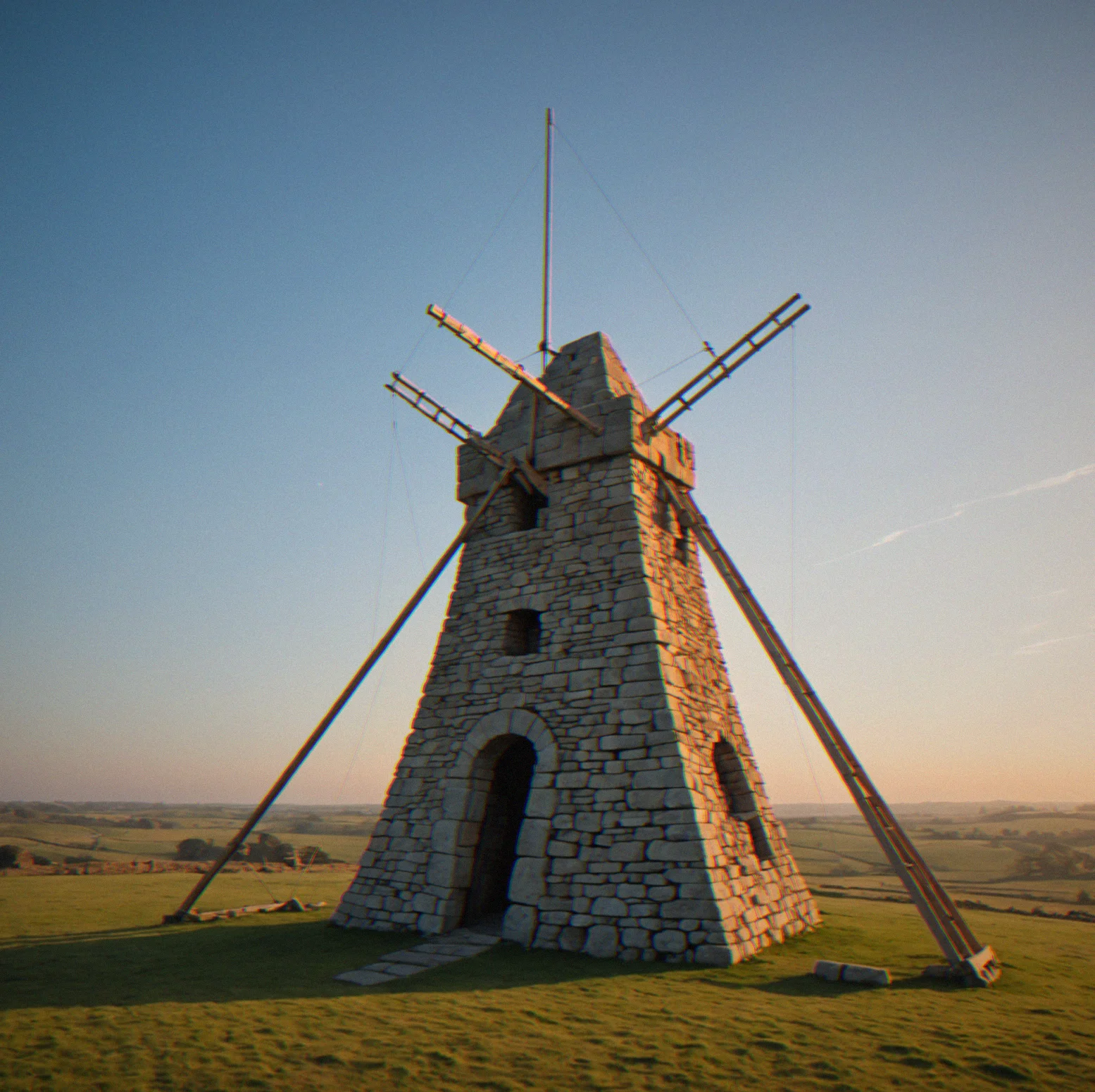
Trebuchet with its counterweight pulled all the way up, stone sitting ready in the launch cup, ropes pulled tight just before firing
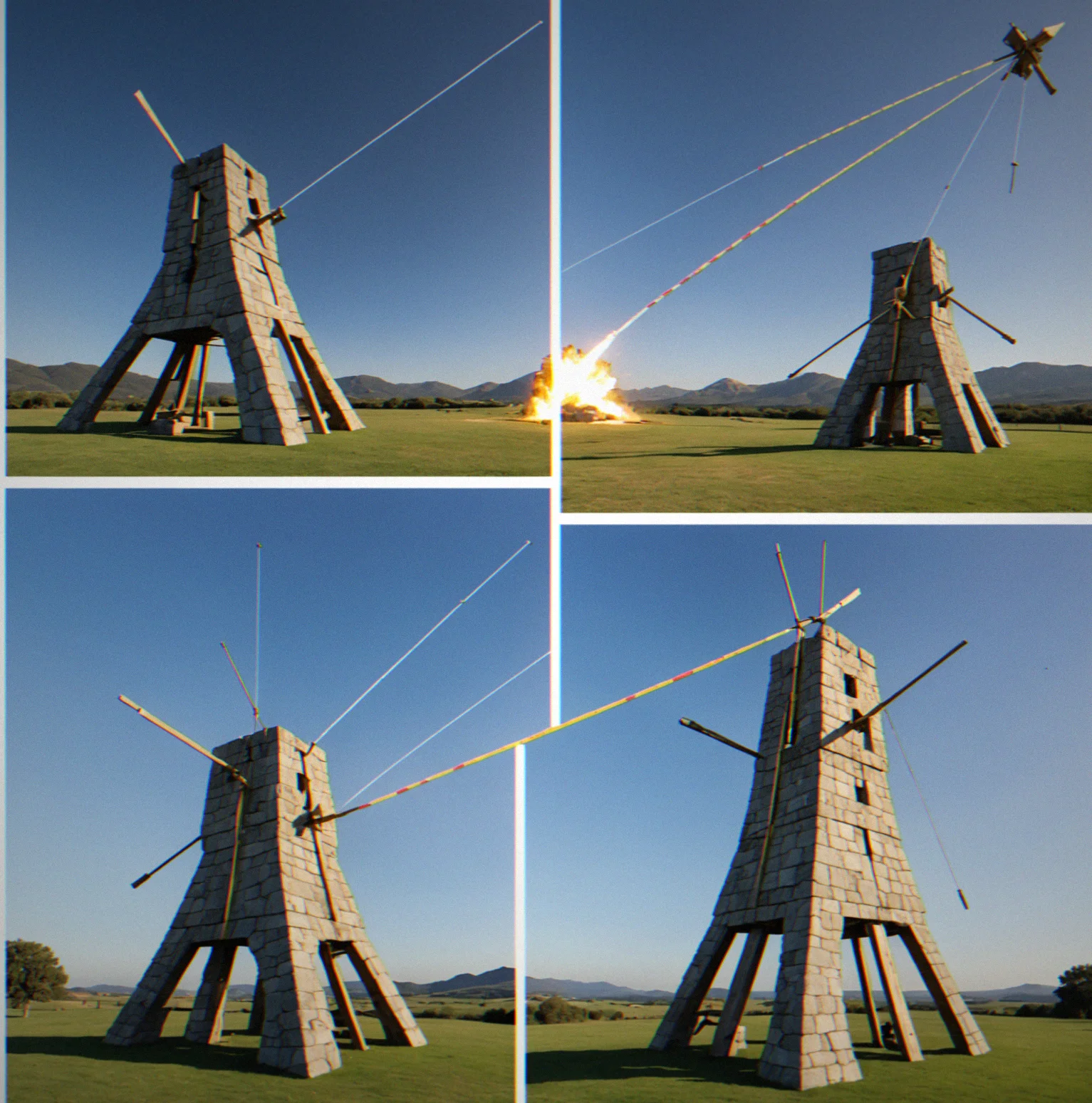
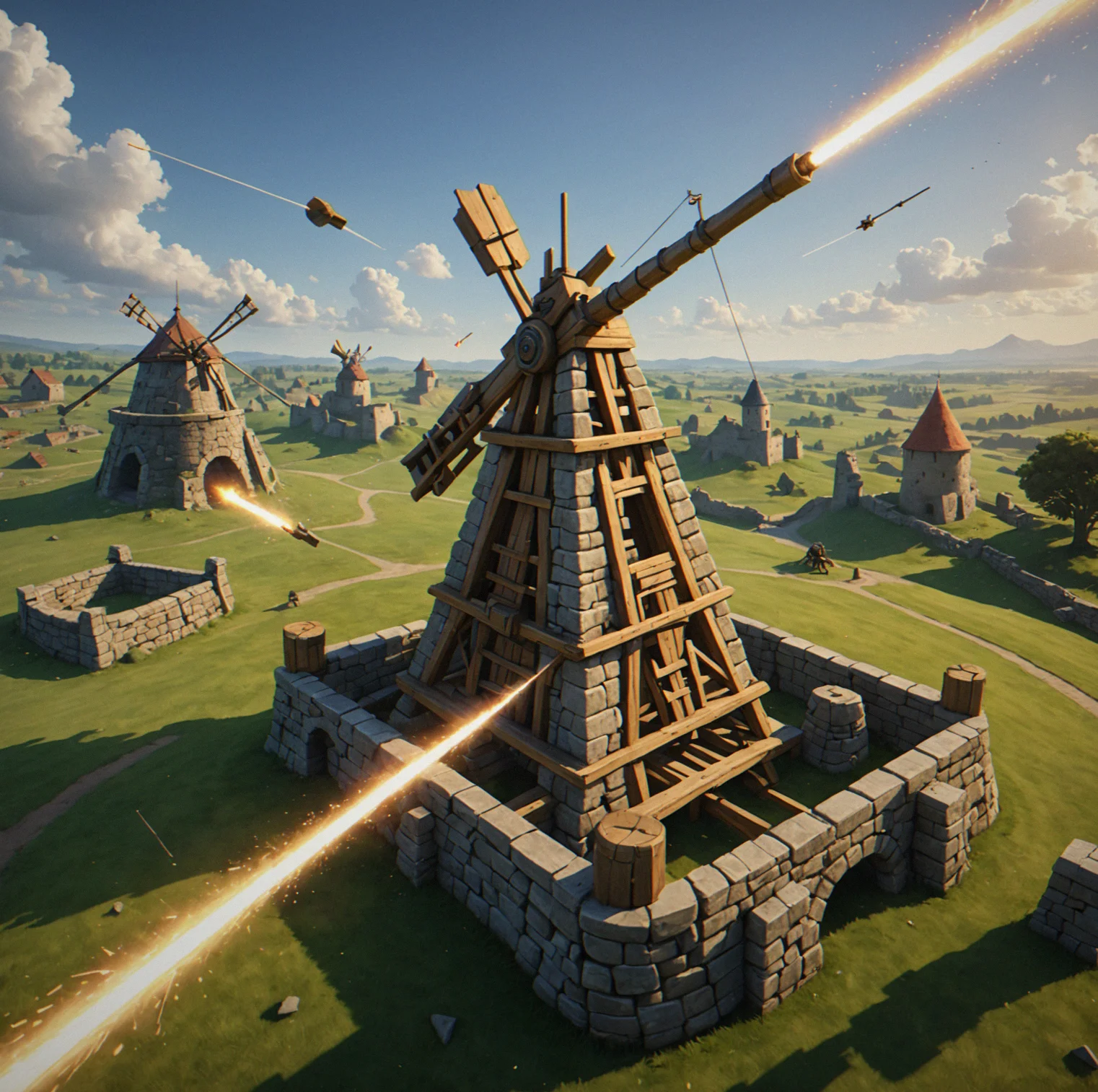
Ballista bolt cutting across open ground mid-flight, debug view shows the trajectory line barely dropping over roughly 80 meters
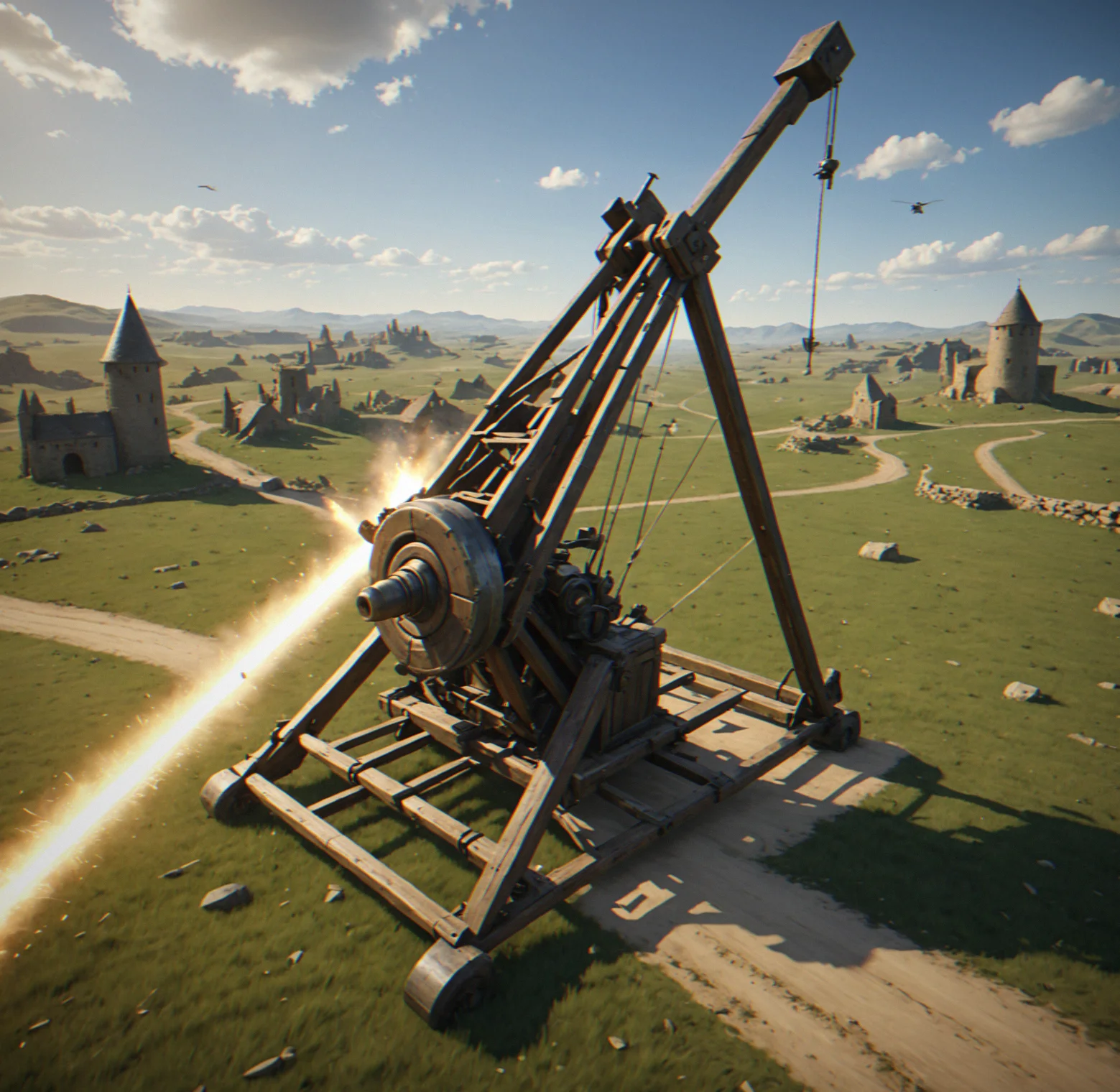
Catapult angled up at 28 degrees with a targeting reticle pointed at a distant stone tower, wind gauge reading a light crosswind
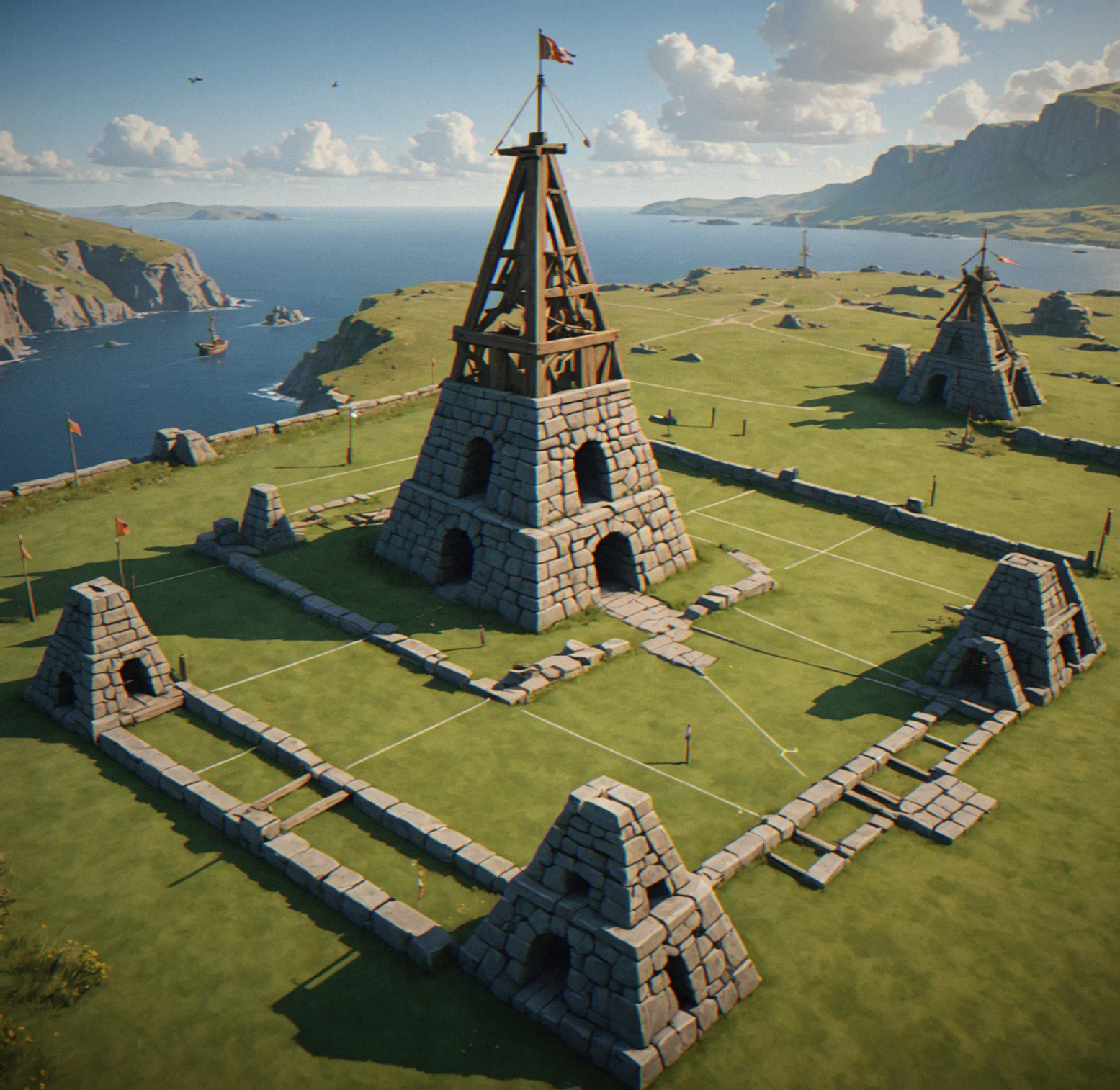
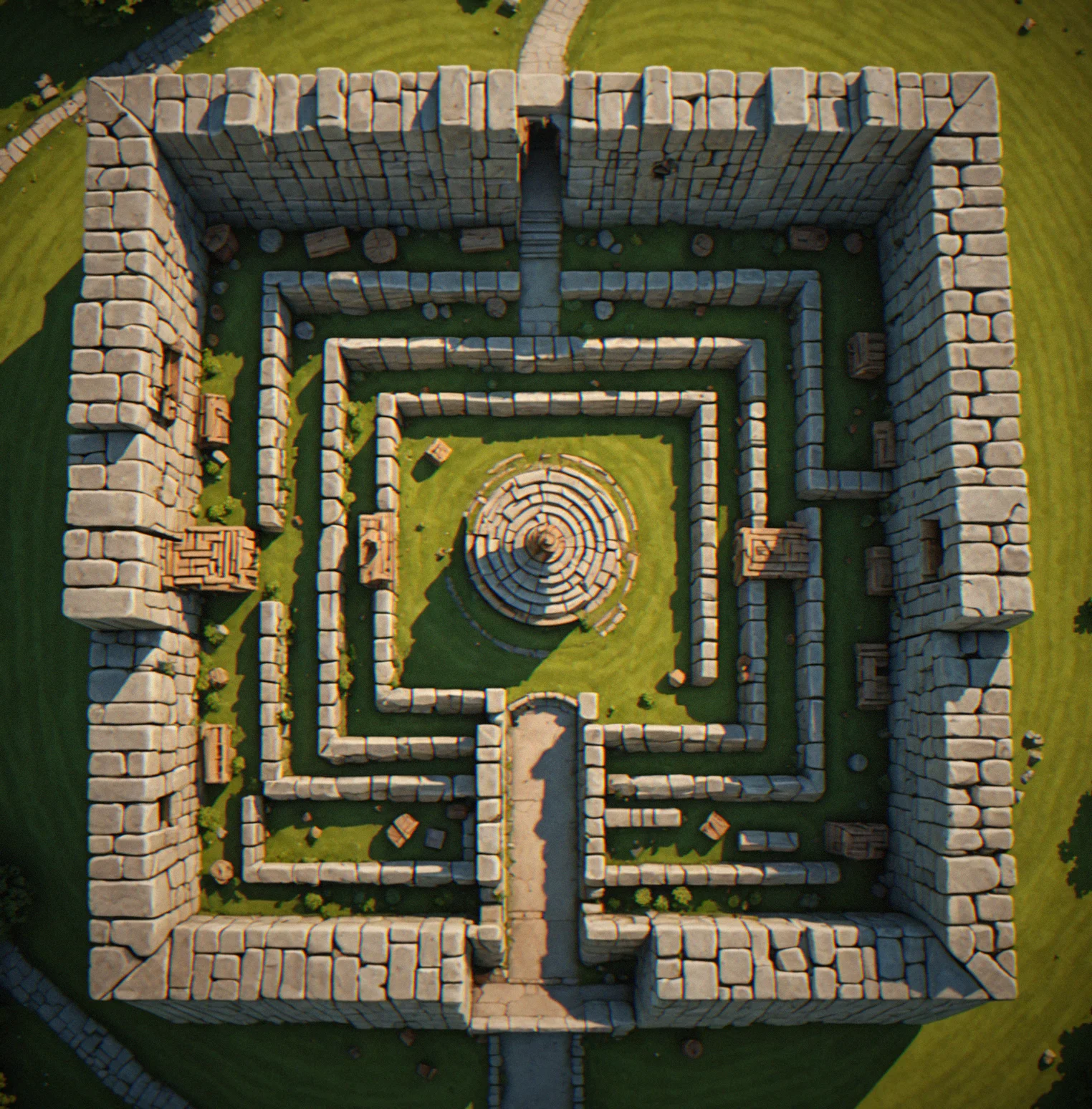
Level layout showing three targets spread out at different distances from each other, weapon placement options marked out and stone weights labeled for each one
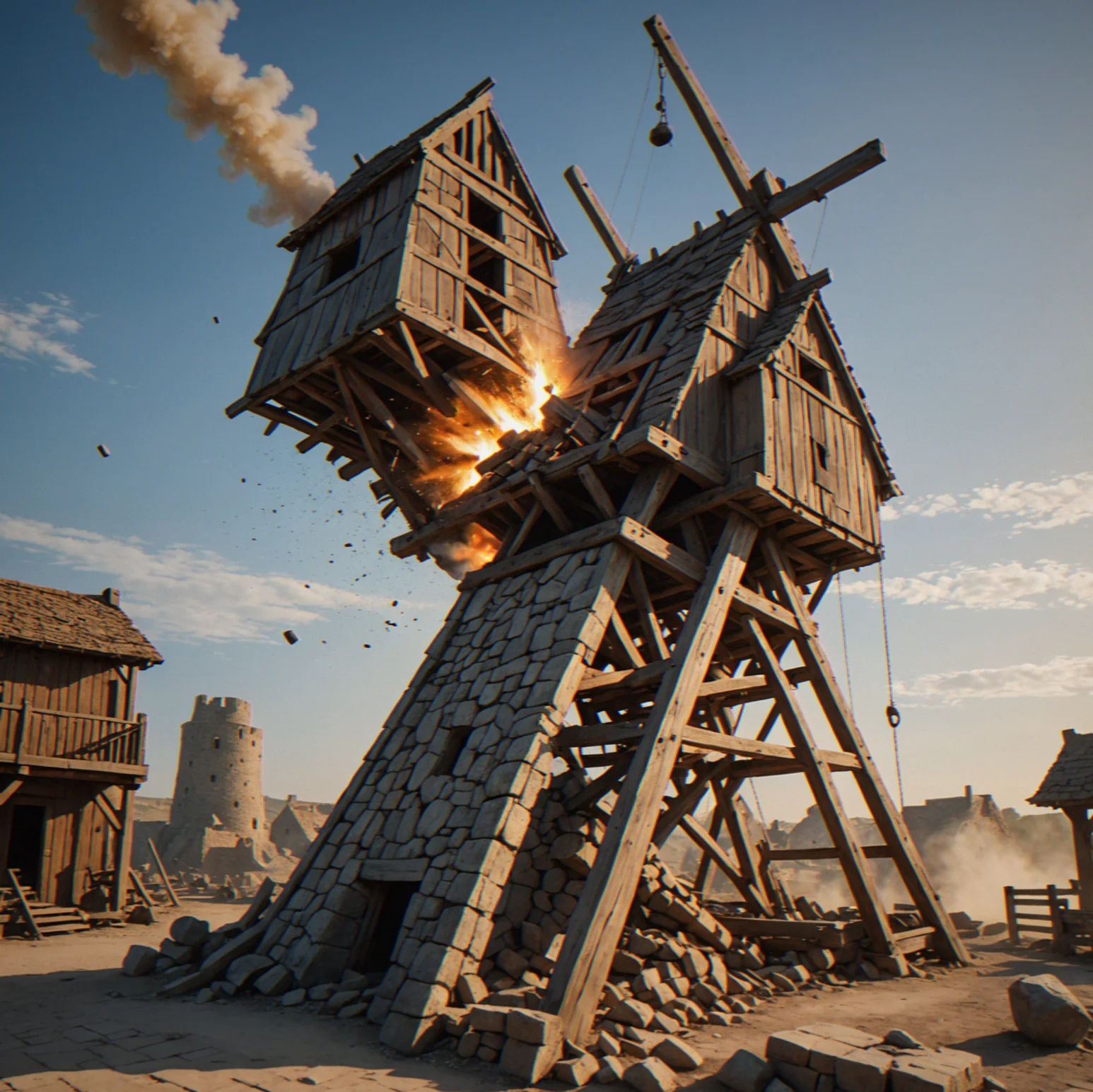
A stone hits a wooden structure and it's coming apart, splinters flying and dust everywhere, the parts still standing are highlighted to show what's left
One level with three different colored arcs drawn on top, each one showing a different way to hit the same target using different weapons and angles
Three weapon types with completely different physics
Trebuchet leverage is 3.2:1. Ballista shoots flat and straight. Catapult lets you adjust the arc. They each handle different kinds of problems, so you pick whichever one actually works for the puzzle.
Over 40 hand-made levels
These aren't randomly generated. Someone designed each one to teach you something about how projectiles move or how space works. Most puzzles have more than one solution. Nothing wasted.
Stone weight changes everything. Wind too. And angle.
Throw a 50-pound stone versus a 30-pounder from the same trebuchet and the paths are different. Shift your aim by a couple degrees and the whole thing falls apart. This isn't just flavor. It's the game.
You learn by trying things
Not memorizing. Actually understanding how projectiles move, working out the arc, seeing if your idea works. The same puzzle can be cleared maybe 3 to 5 different ways depending on how you approach it. Finding your own path is the whole point.
No countdown. No twitch speed required.
Work at your own pace. Fine-tune your aim down to single pixels. Think about the trajectory before you fire. This is about working through a problem carefully, not seeing how fast you can react.
Aiming and piloting actually matter
Use real precision controls. Factor in how far the target is, what the wind's doing, the shape of what you're hitting. You're not just hitting a button and watching something play out. You're guiding the shot.
Made for people who get into Opus Magnum and Into the Breach
If you like digging into how systems actually work, finding the elegant solution, and replaying something to beat your own approach, this one's for you. The mechanics are straightforward. No coddling.